How To Stop Hacking and AI From Destroying Our Next Election
In 2000, Al Gore graciously conceded to George W. Bush. In 2020, Trump refused to concede, and we had Jan. 6th. As our country becomes more divided, the next disputed election is likely to make Jan. 6th look like a normal tourist day in D.C.
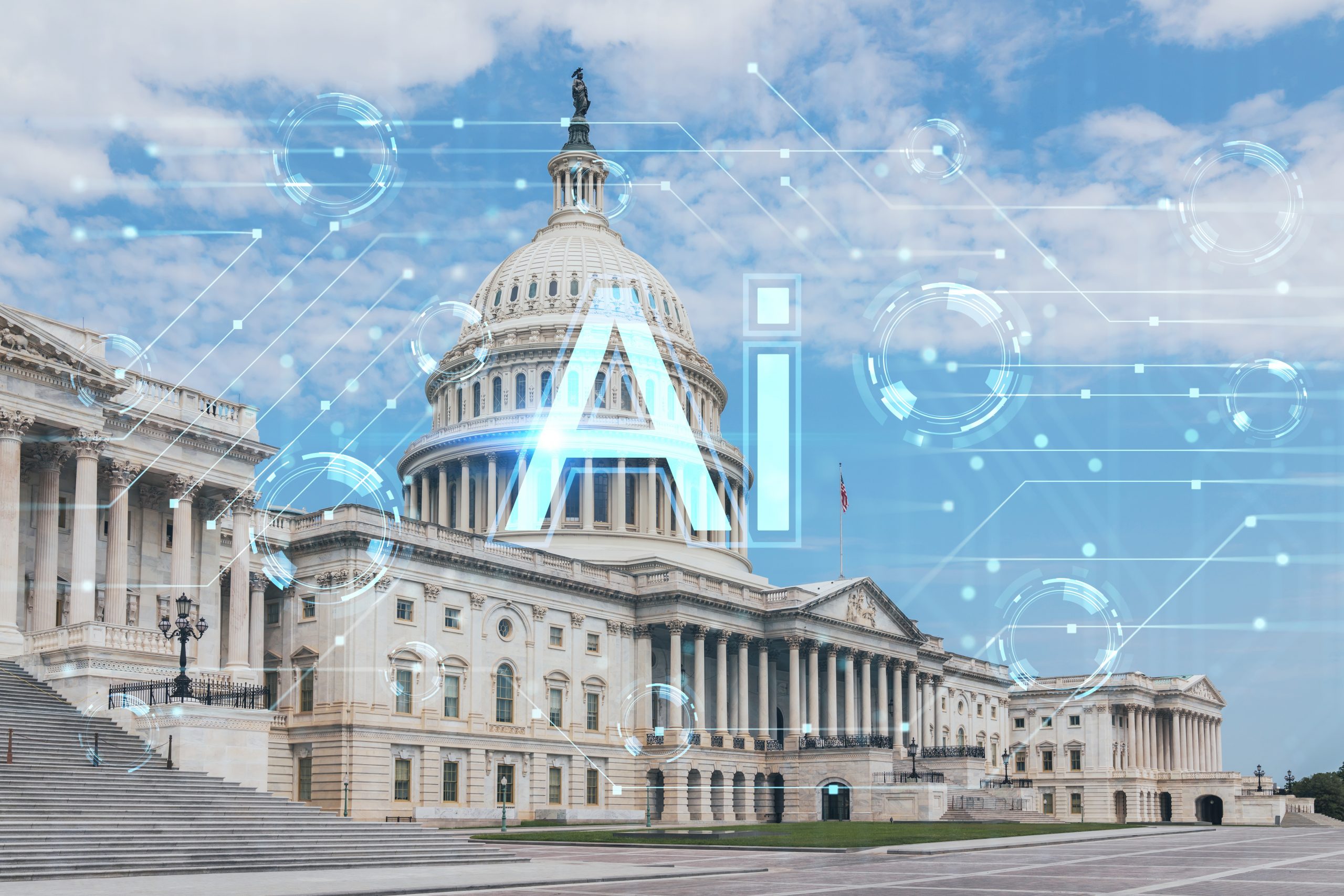
Over the past few years, hacking and AI tools have become increasingly robust. Fake videos are filling social media. On the other hand, our election system is highly decentralized and resource poor. One and two person offices run by people with little technology experience have the responsibility of protecting elections. To make matters worse, the government and DOGE have slashed funding from the Cyber Security and Infrastructure Security Agency (CISA) within the Department of Homeland Security, whose job has been to protect elections. This means we have powerful hacking and AI actors competing against largely defenseless Board of Elections.
Given this imbalance, we believe hackers would be able to cancel registrations, post illegal votes, frighten voters to stay home, send voters to the wrong polling places, change counting, and completely disrupt elections. If this is not sufficiently worrisome, with the small margins in a few swing states, we believe hackers have the tools to change the results of elections without anyone realizing what had occurred.
The question is not- “can this happen?” Rather it is, “when will this happen?” and what needs to be done to minimize the risk.
In this presentation, we will focus on the threats from hacking and AI, including specific steps that can disrupt the next elections. Then, we will focus on steps we can take to prevent this from happening or minimize the threat from a hacked election.
SIGN UP AND BE PART OF THE REFORM!
Sign up and help Reform Elections Now champion solutions to the problems of hyper-partisanship and government dysfunction: